


They are structural elements located on the exterior perimeter of a building and designed to provide light entry, air flow and visibility. Window systems They are made from various materials; these may include materials such as wood, PVC, and aluminum. They include window frames, glass, and sometimes additional features such as shutters and mosquito nets. With features such as energy efficiency, security, and sound insulation, they have become an indispensable part of modern buildings.
Applications of Window Systems
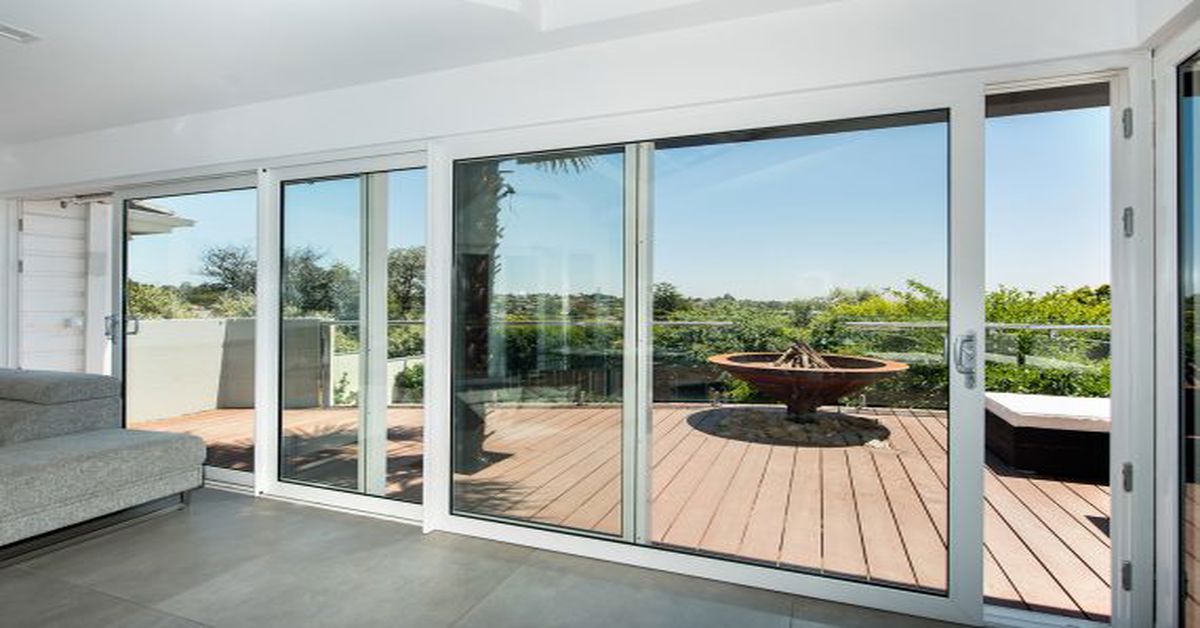
Windows are one of the most important architectural elements of buildings. They provide natural light and help ventilate the space. They also play an important role in heat and sound insulation. A correctly chosen system saves energy and enhances the aesthetic appearance. Today, there are various material and design options available. There is an alternative suitable for every building type.
In housing projects window systems They are among the most frequently preferred building elements. Different models are used in apartment buildings, villas, and multi-unit housing. Thermally insulated glass increases energy efficiency. Sliding models are prominent in balcony and terrace enclosures. Safety glass is especially preferred in ground floors. In modern architecture, large glass surfaces create a spacious atmosphere.
Extensive glass applications are also common in office buildings and commercial spaces. Shopping malls, hotels, and hospitals aim to maximize the use of natural light. This results in both energy savings and increased comfort. In industrial buildings, durability is paramount. Robust and long-lasting systems are preferred in factories and warehouses.
In industrial and commercial projects, these systems are important in terms of both durability and safety. Aluminum window and door systems offer advantages in large openings. Fire-resistant glass options are used in special projects. Sound insulation becomes a priority in noisy areas. Comfort is essential in educational institutions and healthcare facilities. With proper planning... window systems It offers both aesthetic and functional solutions. As a result, buildings become more efficient and longer-lasting.
Advantages of Using Window Systems
Windows are both aesthetic and functional parts of buildings. They allow natural light to enter the interior, resulting in less artificial lighting during the day. This saves energy and makes the space look more spacious. Fresh air circulation is also a significant advantage, creating a healthier living environment.
Heat and sound insulation are of great importance in modern designs. High-quality glass and proper installation reduce heat loss. Warm air stays inside in winter, and hot air is kept out in summer. Sound insulation increases comfort in noisy areas. Safety glass provides extra protection. These features directly affect the quality of life.
Developed window systems It increases energy efficiency and reduces costs. Double and triple glazing technologies reduce heat loss. This has a positive impact on bills in the long run. In addition, modern designs contribute aesthetically to architecture. Sliding, folding, or fixed models meet different needs. Choosing the right system provides both comfort and savings.
Ease of maintenance is also a significant advantage. High-quality materials are long-lasting. PVC and aluminum options are durable. Performance is maintained with regular cleaning. Furthermore, environmentally friendly solutions reduce the carbon footprint. Sustainable buildings are a priority today. Choosing the right product both protects the environment and supports the budget. Therefore, technical specifications should be carefully evaluated during the planning phase.
Window System Models
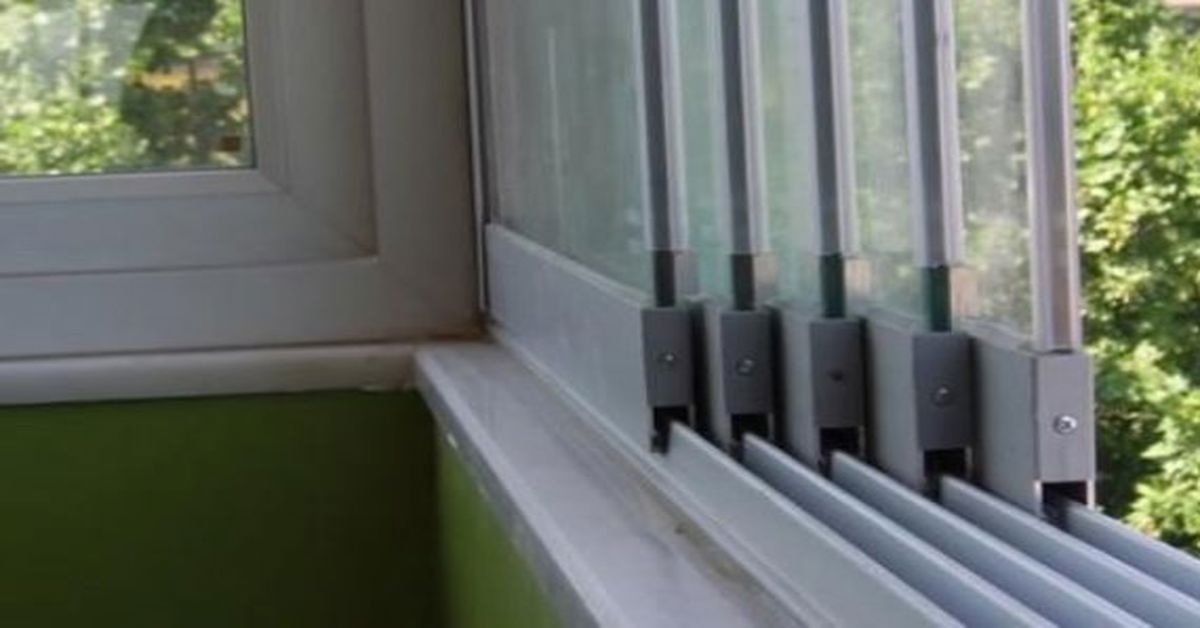
Window models vary according to the needs and architectural style of the buildings. Choosing the right model is important both aesthetically and functionally. Today, there are different opening types and material options available. Criteria such as thermal insulation, sound control, and security are decisive in the selection process. While large glass surfaces are preferred in modern buildings, more compartmentalized designs are prominent in classic buildings.
The most preferred today window systems Among the available models are hinged, sliding, and tilt-and-turn windows. Hinged models offer practical use. Sliding systems provide an advantage in narrow spaces. Tilt-and-turn models, on the other hand, allow for controlled ventilation by opening from the top. Folding glass systems are especially used in balconies and terraces. Each model meets different needs and offers solutions tailored to the space.
Material selection is as important as the model itself. PVC models are economical and effective in terms of insulation. Aluminum systems are durable and preferred for wide openings. Wooden models offer a natural look. Composite options provide both aesthetics and durability. Glass technologies have also advanced. Double and triple glazing applications contribute to energy savings.
The intended use should be considered when making a selection. In residential buildings, insulation is a priority. In offices, aesthetics and light transmission are important. Soundproof windows should be preferred in noisy areas. The right model provides comfort in the long run. Therefore, technical specifications and architectural compatibility should be evaluated together. Seeking professional help makes it easier to make the right decision.
What to Consider When Choosing Window Systems?
Window selection directly affects the comfort and energy efficiency of a building. Insulation properties should be evaluated first. Glass and profiles that reduce heat loss should be preferred. Double or triple glazing options provide energy savings. Sound insulation is also an important criterion. Special glass should be preferred in noisy areas. This improves the quality of life.
Material selection is crucial for longevity. PVC is economical and offers strong insulation. Aluminum systems are durable and offer a modern look. Wood provides a natural aesthetic but requires regular maintenance. Profile thickness and seal quality should be carefully considered. Quality installation is just as important as product selection. Incorrect installation reduces performance.
The opening type affects ease of use. Sliding models offer an advantage in narrow spaces. Hinged models are practical in terms of cleaning. Folding systems can be preferred on balconies and terraces. If security is needed, lock and glass options should be checked. Safety measures should be a priority in homes with children. Glass thickness and durability level must be examined.
During the election process, budget and long-term savings should be considered together. Energy-efficient products should be chosen. window systems It may be costly in the initial stages. However, in the long run, it saves money by reducing heat loss. Warranty period and service support should also be considered. Professional site surveys ensure accurate measurements. With proper planning, both aesthetically pleasing and durable solutions are achieved. This leads to increased building comfort and value.

