


They are structural solutions that provide an aesthetic and transparent appearance in modern buildings. These systems contribute to the natural light reaching the interior more and energy saving. Providing comfort with its advanced features glass facade systems, is preferred in architectural projects.
What are Glass Facade Systems and What are Their Advantages?
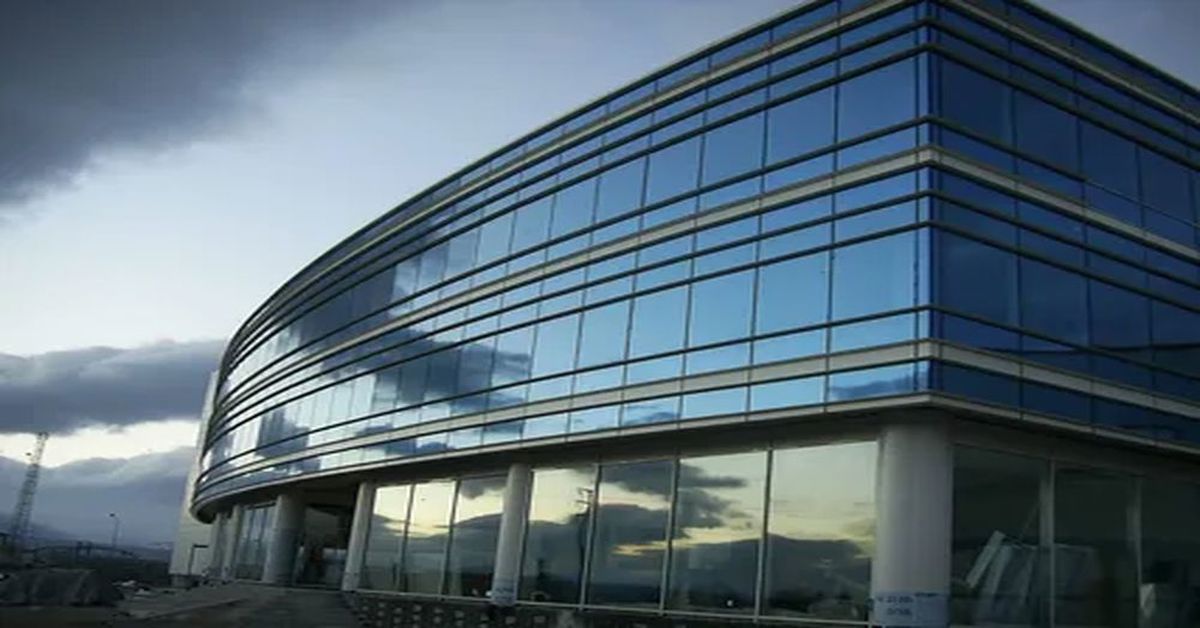
These systems are exterior cladding solutions used in modern buildings. In these systems, the exterior surface of buildings is largely covered with glass panels. The aim is to allow natural light into the interior and create visual harmony with the exterior. It also gives the building a light and modern look. It is frequently preferred, especially in high-rise buildings.
These systems create a strong aesthetic impact. Thanks to their transparent structure, the architectural design appears more open and spacious. They allow more daylight to enter the interior, reducing the need for artificial lighting during the day.
Special types of glass can be used for heat and sound insulation. This increases the comfort level. Glass facade systems, It also offers significant advantages in terms of energy efficiency. Thanks to heat-controlling glass, excessive heating is reduced in summer. In winter, the indoor temperature is better maintained. This reduces energy consumption.
With the right design, building performance improves. Glass facade systems They also offer ease of maintenance. The exterior surfaces are generally smooth. Therefore, cleaning is faster. Durable materials provide long-lasting use. In modern urban architecture, these systems stand out as both an aesthetic and functional solution.
What are the benefits of glass facade systems?
Glass facade systems Glass panels are important structural elements in modern architecture. They combine aesthetics and functionality. These systems create a more open, spacious, and contemporary look by covering the exterior of buildings with glass panels. They allow a large amount of natural light to enter the interior. This makes living and working spaces more comfortable. It also affects energy consumption.
Glass facades maximize the use of daylight. This reduces the need for artificial lighting during daylight hours, resulting in energy savings. Special insulating glass helps maintain a balanced interior temperature, reducing overheating in summer and heat loss in winter. Thus, energy efficiency increases.
Another important benefit is sound insulation. High-quality glazing systems reduce external noise. This feature is especially important for buildings in city centers. It provides a quiet and peaceful indoor environment, increases user comfort, and contributes to work efficiency.
Glass facades also offer advantages in terms of maintenance. Thanks to their smooth surfaces, they retain less dirt and are easy to clean. With regular maintenance, they can be used for many years. Durable materials extend the lifespan of the structure. The aesthetic appearance is preserved for a long time.
Areas of Use and Aesthetic Contributions of Glass Facade Systems
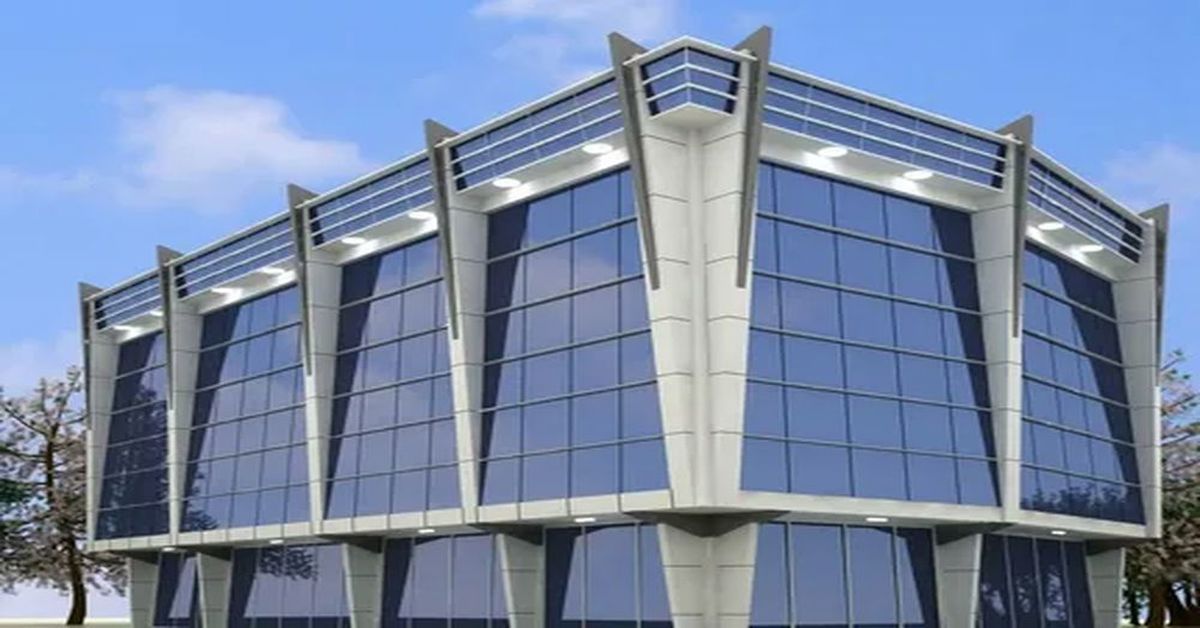
This system is widely used in modern architecture. It is particularly preferred in high-rise office buildings. Shopping malls, hotels, and residences are also structures where these systems are used. The aim is to provide both an aesthetic appearance and to bring more natural light into the interior space. It creates a strong visual impact in urban architecture.
These systems add flexibility to architectural design. They can be implemented in different forms and sizes, allowing designers to develop more innovative projects. Glass surfaces give the building a modern and transparent character, creating a visual link between the exterior and interior spaces. This improves the user experience.
It plays an important role in terms of aesthetic contribution and creates a strong impact in modern urban architecture. At this point glass facade systems Light plays a crucial role. It is one of the fundamental elements that determine the overall design identity of the building. It gives buildings a light, elegant, and contemporary look. The reflections of light on the surface give the building a dynamic character. The changing light effect at different times of the day brings the building to life.
This feature creates striking structures, especially in the city skyline. These systems also provide advantages for brand identity. They offer a prestigious appearance in corporate buildings. The transparent design conveys a sense of openness and trust. Therefore, many companies prefer modern facade designs. At the same time, it increases the feeling of spaciousness in interior spaces. Work environments become more motivating.
How to Increase Energy Efficiency with Glass Facade Systems?
Glass facades should be used with the right materials and design to increase energy efficiency. Thermally insulating glass plays a crucial role in this. This glass filters sunlight and prevents the interior from overheating. In winter, it helps retain heat, thus reducing heat loss and resulting in more balanced energy consumption.
Proper facade orientation also affects energy efficiency. Special coated glass can be used on facades that receive intense sunlight. This reduces the need for cooling. Combined with natural ventilation, the system operates more efficiently. The indoor temperature balance is maintained. User comfort is increased.
High insulation properties of glass and profile systems are also important. Double or triple glazing systems reduce heat transfer. The materials used in the frame structure also affect heat loss. Therefore, the entire facade system should be evaluated as a whole. Not only the glass, but also the connection points are important.
It is one of the most effective solutions in modern architecture for increasing energy efficiency. Glass facade systems It stands out in this field. With the right design and material selection, energy losses are minimized. This contributes to environmental sustainability and also reduces operating costs.

